

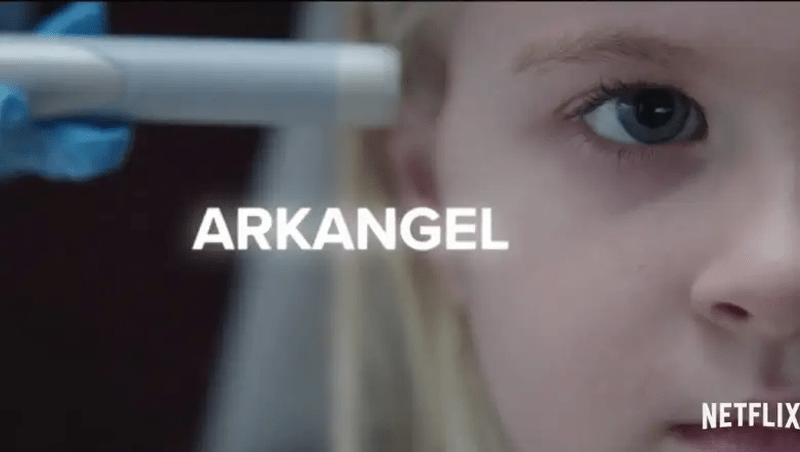
There’s an episode of Black Mirror called “Arkangel” that has stuck with me for years.
It starts with a mom who loves her daughter so much that she implants a device in the child’s head. Something that lets her see through her daughter’s eyes, track her emotions, and block anything that upsets her. At first, the mom uses it out of fear. A barking dog on the way to school. Strangers on the street, the kinds of everyday things that make parents nervous.
But over time, the mom’s fear grows into an obsession.
She checked the monitor too much. She edits what the child sees to protect her from anything “too stressful.” She watches her daughter grow up without ever giving her space to actually grow up.


And by the time the daughter hits those teenage years. Dating, experimenting, talking to boys, trying to figure herself out. The mom has already trained herself to parent through fear, not trust.
Fear makes her do the very thing she swore she’d never do:
control her daughter’s entire world.
When I recently rewatched that episode, it hit much closer to home than it did years ago.
Because now… my daughter is eighteen.
And as much as I love her, support her, guide her, feed her, and protect her. I’m realizing something about myself that nobody ever spelled out for me:
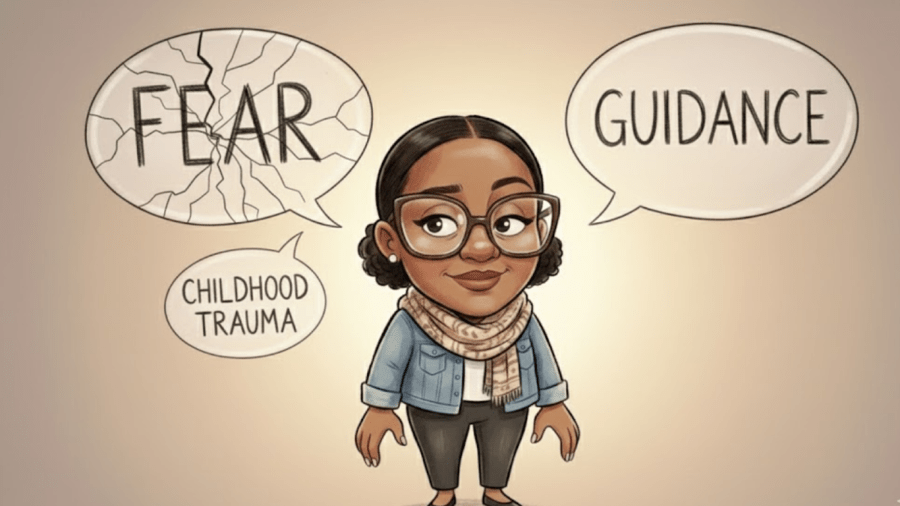
Sometimes your childhood trauma tries to parent your child for you.
When Your Trauma Gets Loud
My daughter’s sudden shift into adulthood. Her independence, her choices, her friends, her late-night shifts, her attitude, her silence, her voice. All of it felt like a storm at first. Not because anything was wrong, but because I didn’t get the chance to grow up like that.
When you come from a home where fear runs everything. Where adults control every breath you take. Where you’re judged, silenced, monitored, or punished for exploring life. Your nervous system reacts to your child’s freedom like it’s a threat.
And that’s the part nobody prepares you for.
Your child becomes an adult,
and your trauma becomes a parent.
Not your wisdom.
Not your experience.
Not your healed self.
Your trauma.
The Fear → Control Cycle
That Black Mirror mom wasn’t a villain.
She was triggered.
She was scared.
She was reacting to her own unhealed stuff.
And I started seeing places in my own parenting where fear tried to slip into the driver’s seat:
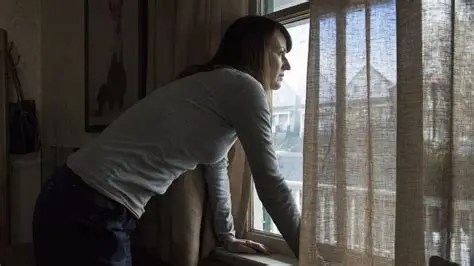
- When my daughter gets quiet
- When she makes a decision that I wouldn’t make
- When she doesn’t answer her phone
- When she comes home late
- When she acts grown
- When she challenges my boundaries
- When she says, “I got it,” even when I’m not sure, she does
Those moments awaken the little girl in me who never had freedom.
Who was controlled?
Who was monitored?
Who was punished instead of guided?
Who was never given room to be a person.
Fear shows up fast.
Control shows up right behind it.
And suddenly, my trauma is whispering:
“Don’t let her do that.”
“Stop it before it goes too far.”
“She doesn’t know what she’s doing.”
“Protect her before something happens.”
But here’s the truth:
She’s not me, and I’m not my mother.
Parenting Someone Who Is Now Their Own Person
At eighteen, my daughter is at the age where she’s discovering herself. The messy, beautiful, chaotic, experimental part of adulthood that we ALL went through.
And honestly?
That scares me sometimes.
Not because she’s wrong.
But because I wasn’t allowed to explore any of that.
So I’m learning something new:
I can guide her without controlling her.
I can protect her without smothering her.
I can teach her without having to monitor her.
I can love her without replaying my childhood.
My job is not to stop her from living.
My job is to prepare her for life and trust that she will use what I taught her.
That’s the part the mom in Black Mirror couldn’t do.
And that’s the part I refuse to fail at.
When You Raise a Child While Healing Your Inner Child
Healing doesn’t mean you suddenly become a perfect parent.
Healing means you catch yourself before your trauma speaks louder than your love.
And lately, I’ve been catching myself more:
- I remind myself she’s growing, not rebelling.
- I remind myself she’s exploring, not disrespecting.
- I remind myself she’s becoming, not breaking.
- I remind myself she needs space, not surveillance.
My trauma wants control.
My healed self wants connection.
Every day, I’m choosing connection.
Final Thoughts
If you’re raising an older teen or young adult and finding yourself triggered, you’re not a bad parent.
You’re just someone whose childhood never allowed you to feel safe while growing up.
Instead of trying to control their adulthood, heal the fear that tells you you have to.
 Black Sh33p's Corner